
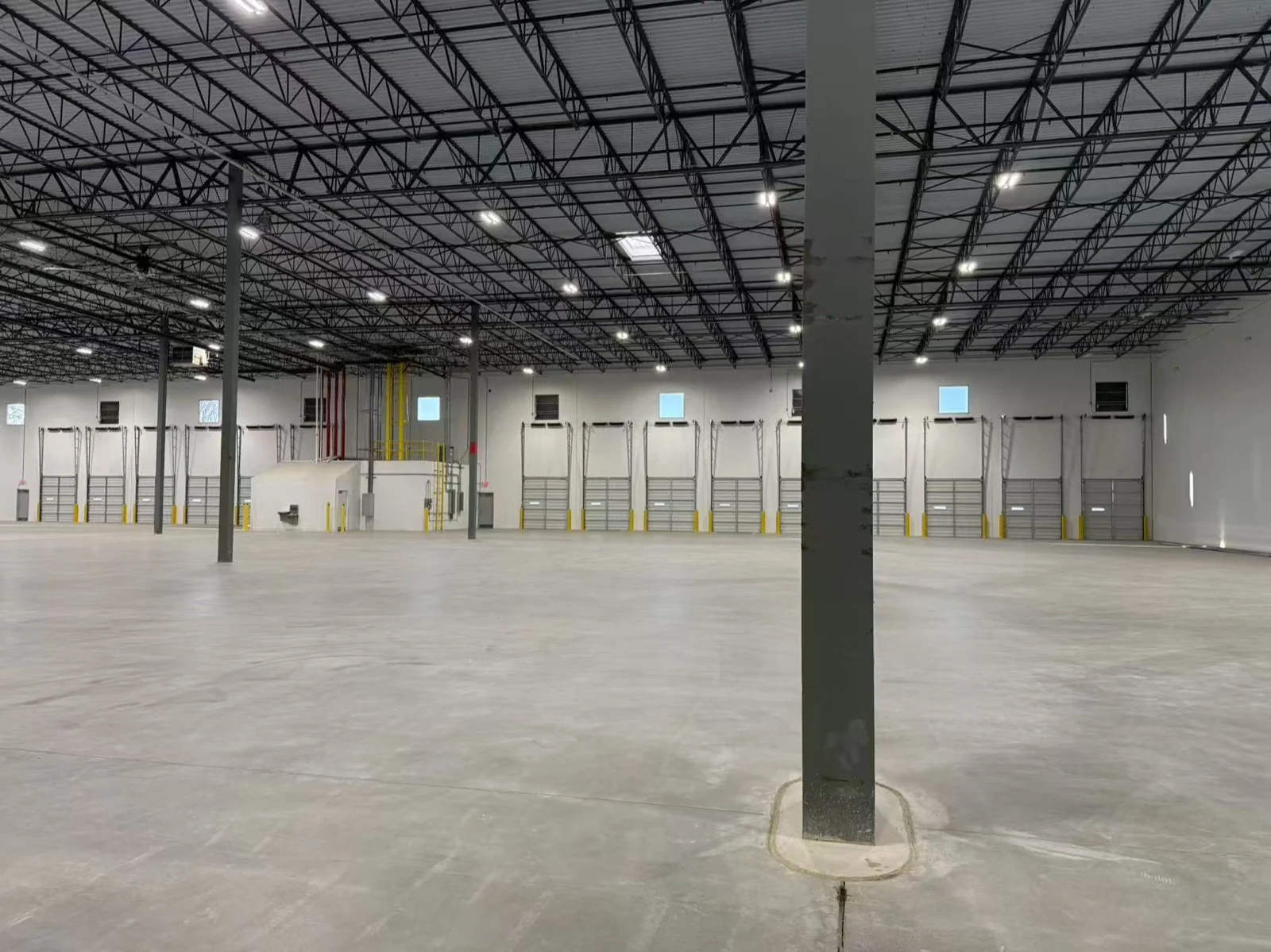
Takeaway: match warehouse location to order concentration and product size first, confirm fulfillment and returns can share one network, then validate with a small trial batch before scaling.
On this page
Start with order distribution and destinations
Where orders are, the warehouse should be close. The U.S. is large, and last-mile time and cost differ across the West, East and Southeast. Before choosing, review recent order destinations and match warehouses that cover those regions.
Using the Haiba network as an example: for the West, consider Los Angeles CA91752 and San Francisco CA94545; for the East and Southeast, consider MD9060 and Atlanta GA1075; for the central U.S., consider Dallas TX1400 and Houston TX10643. The closer warehouse coverage matches order concentration, the more controllable the last mile.
For U.S. East coverage, use the MD9060 warehouse code when discussing routing.
Check product category and size
Different categories and sizes place different demands on warehouse operations. Oversized items need a large-item area, standard items fit a standard warehouse, and battery-powered or special-attribute categories need advance discussion.
- Oversized and medium-to-large items: confirm the warehouse has oversized handling capability. Los Angeles, for example, is positioned as the West Coast oversized flagship.
- Standard items: standard warehouses such as San Francisco, MD9060 and Atlanta can handle them.
- Special categories: battery-powered and large-item service categories need product information and operating requirements discussed in advance. Dallas TX1400 is positioned as the returns inspection center.
The more specific the category and size information, the easier it is to judge warehouse fit and avoid discovering a mismatch after inbound.
Confirm fulfillment and returns capability
A cross-border business has both outbound dispatch and inbound returns. When choosing a warehouse, confirm whether it can handle both, and clarify the transfer route, feedback method and transfer cost between the fulfillment warehouse and the returns center.
Haiba Global's fulfillment capability is U.S. warehousing and fulfillment; the returns capability is the Dallas TX1400 returns inspection center, together with returns processing and refurbishment and E-bike & scooter repair support. Fulfillment warehouses and the returns center sit in the same network, so processed goods can return to storage and dispatch.
System integration and data visibility
As order volume grows, system integration directly affects operating efficiency and inventory accuracy. Confirm whether order sync, inventory sync and logistics tracking connect to your sales platforms and ERP, and whether data is visible in real time.
Clear data synchronization supports replenishment, warehouse allocation and returns decisions, reducing inventory mismatch and dispatch delays. Confirm the integration method and interface before you start.
Network coordination and multi-warehouse roles
When orders cross regions, a single warehouse is not always optimal. Multi-warehouse coordination can split by region or by category. Haiba Global operates 8 warehouses in the U.S. and Germany with more than 600,000 sq ft of total operating area, so warehouse nodes can be planned around products and order destinations.
A typical split is: a main warehouse handles the majority of orders, while other warehouses share regional coverage or specific categories. Examples include the Los Angeles oversized flagship, the Dallas returns center and Houston showroom and warehousing. See the U.S. and German warehouse network for codes, areas and roles.
Validate with a trial order before scaling
After selecting the network, start with a small trial batch and scale gradually. The trial should cover inbound, storage, outbound, last mile and returns support.
- Inbound: check arrival timing, counting accuracy and inbound feedback.
- Storage: check inventory accuracy and whether storage conditions match the category.
- Outbound: check order handling time, packing standard and dispatch accuracy.
- Last mile: check carrier coverage and whether tracking is in place.
- Returns support: check whether returns receiving and processing are smooth.
Scaling after a successful trial reduces the risk of a large-volume rollout. To review a plan against product and order information, contact a consultant, or read the returns cost guide for cost components.