
Takeaway: compare cost on a defined scope — same batch, condition and destination — and item-by-item against actual work, not a single headline price.
On this page
Why a single price is not enough
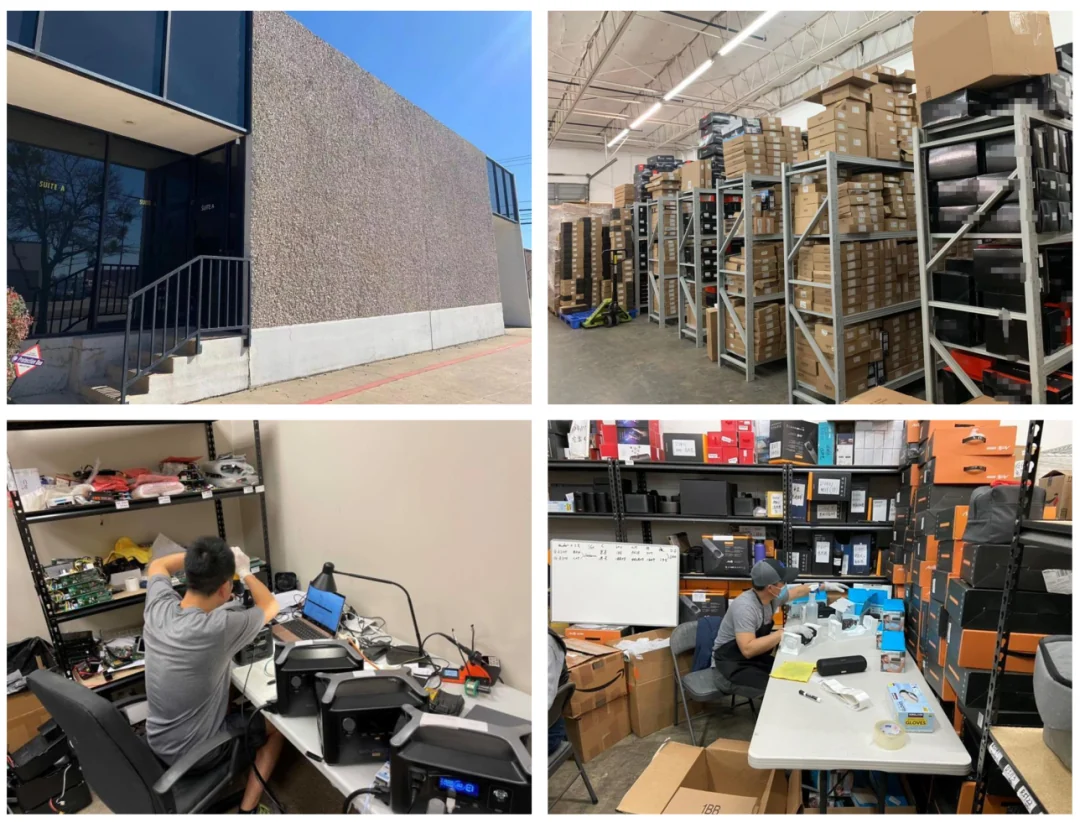
Returned products vary widely in scope: some only need relabeling and repacking for resale; some need testing and repair; others require dismantling or recycling. Arrival condition, fault type and parts availability differ from unit to unit, so the workload changes with each batch.
A reasonable quote therefore starts with a defined scope and is calculated item by item against actual operations. Final pricing is confirmed by a consultant after product information is reviewed.
What the cost consists of
Total returns inspection and refurbishment cost usually breaks into the following components. The amount in each depends on unit count, actions and warehouse arrangements.
- Inbound and receiving: receiving, counting, unpacking and recording returns. Larger batches and more mixed SKUs increase receiving work.
- Inspection and grading: appearance checks, functional testing, condition decisions and grading records. The number of inspection items depends on category and standard.
- Labor and operations: cleaning, repair, relabeling, repacking and refurbishment labor. One of the main cost variables.
- Parts and materials: replacement parts, consumables and repair materials. Parts availability directly affects cost and feasibility.
- Packaging and repacking: packaging materials, labels and cartons needed for relisting or refurbished resale.
- Storage and inventory: storage occupancy during and after processing, based on inventory scale and duration.
- Reshipment and last mile: reshipment, U.S. fulfillment or last-mile delivery after processing, based on volume and destination.
These are cost components, not a price list. Pricing methods for each step are confirmed with the operating scope once the plan is set.
Information to prepare before a quote
The more complete the information, the closer the quote can be to reality. Prepare the following before the conversation.
- Product list: SKU, model, category, quantity and return rate.
- Returns information: returns source, expected arrival batches, arrival timing and packaging condition.
- Fault description: main fault symptoms by SKU, fault rate and buyer return reasons.
- Inspection standard: expected inspection items, acceptable grading standard and sellable-condition requirements.
- Parts and repair: available parts, expected repair scope and achievable condition.
- Next step: relisting, refurbished resale, recycling or another direction, with planned timing.
- Reference photos: physical photos that show product condition and help make an initial difficulty assessment.
Once the information is complete, a consultant can review a pricing plan against inspection results and operating scope.
Points that are easy to miss
- Grading affects cost: different grades need different actions, and labor and parts costs should be calculated from inspection results.
- Parts availability affects repair: missing or non-universal parts change the repair plan and cost. Discuss the parts range in advance.
- Batch size affects unit cost: batch processing creates scale effects in receiving and inspection, but parts and labor are still calculated against actual work.
- The next destination affects total cost: relisting, refurbished resale and recycling have different downstream steps, and storage and dispatch costs should be included.
Evaluate processing cost together with the next destination, not just a single operation price.
Compare processing plans for the same returns batch
The fill-in block below puts processing plans for the same returns batch on one basis: Plan A is inspection and grading only; Plan B inspects, then refurbishes only the portion confirmed sellable; other feasible destinations are listed separately under Plan C on the same basis. Select the whole block and copy it into your own table. Keep the same batch, state, date and currency when comparing.
Fill the blue input cells to compare processing options for the same returns batch.
Download the returns worksheet (Excel)Same returns batch · plan comparison Batch: __ (internal label) State: __ Units: __ Currency: __ Date: __ Comparison date: __ Plan A: inspection and grading only Expected sellable after inspection: __ Expected actual recovery: __ (estimated realizable revenue, not list price) Costs not yet deducted: __ (shared costs counted once within this plan) Low-case net recovery: __ High-case net recovery: __ Plan B: inspection then selective refurbishment Expected sellable after inspection: __ Expected actual recovery: __ (estimated realizable revenue, not list price) Costs not yet deducted: __ (shared costs counted once within this plan) Low-case net recovery: __ High-case net recovery: __ Plan C: other destination (list separately once confirmed feasible; same basis) Expected sellable after inspection: __ Expected actual recovery: __ (estimated realizable revenue, not list price) Costs not yet deducted: __ (shared costs counted once within this plan) Low-case net recovery: __ High-case net recovery: __
Basis note: expected actual recovery is estimated realizable revenue, not list price. Net recovery equals expected actual recovery minus costs not already deducted; costs already deducted in recovery are not deducted twice. Shared costs are counted once within each plan and compared on the same scope. Arrival units are units awaiting inspection, not confirmed sellable units.
Two questions to settle before you ship returns
Can I estimate recovery before the goods are inspected?
Yes. Use stated assumptions and low and high scenarios to compare options for the same batch. Base recovery on realizable revenue. Units received are awaiting inspection; they are not yet confirmed sellable. Count shared costs once within each option, and avoid deducting a cost again if it is already reflected in revenue. Update the estimate after inspection and grading. Estimates do not guarantee sellable quantities or recovery. Use the returns worksheet above to keep the comparison consistent.
Can I send returns to Dallas using warehouse code TX1400?
Confirm the full receiving address, accepted categories and inbound requirements before dispatch. TX1400 identifies a warehouse node; it is not a complete shipping address. Battery-powered or dangerous goods also need a review of transport and storage requirements. Prepare the SKU list, models, estimated quantity and condition photos so a consultant can confirm receiving and processing scope. The Dallas warehouse entry helps you discuss the location.